JAL Flight 1628 (Alaska, 1986)

JAL Flight 1628 (Alaska, 1986)
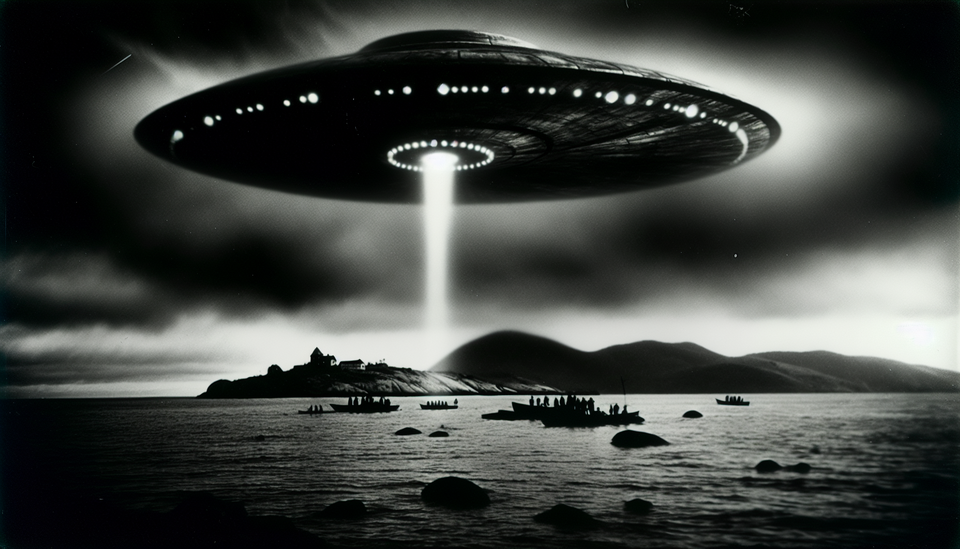
The JAL Flight 1628 incident of November 17, 1986 is one of the most credible and officially documented pilot UAP encounters in aviation history. Japan Air Lines cargo flight 1628, a Boeing 747 flying from Paris to Tokyo via Anchorage, Alaska, had a prolonged encounter with anomalous aerial objects while flying over Alaska. The encounter lasted approximately 50 minutes and was partially confirmed by FAA radar and military NORAD radar systems.
Captain Kenju Terauchi, a veteran pilot with over 29 years of flying experience, reported that his aircraft was paced for approximately 50 minutes by two small objects that "shot out beams and moved in formation," followed by a massive object he described as larger than two aircraft carriers, which shadowed the 747 as it flew over northeastern Alaska. Terauchi first observed two smaller objects at approximately 5:11 PM local time, noting lights arranged in an array of exhaust-like flames. The objects maintained position relative to the 747 despite the aircraft's speed and maneuvers.
Terauchi eventually requested a change of course from Anchorage ATC. An FAA radar facility confirmed radar returns near the 747, though the interpretation of these returns has been contested. A USAF F-15 scrambled to investigate arrived after the objects had departed. The crew consisted of Captain Terauchi, co-pilot Takanori Tamefuji, and flight engineer Yoshio Tsukuba; all three witnessed portions of the encounter.
Support Independent UAP Research
Get exclusive case analyses, deep‑dive reports, and behind‑the‑scenes updates.
Subscribe on Gumroad ($5/month)FAA Investigation
The FAA conducted an investigation of the incident, which was notable for its unusually public nature: FAA division manager John Callahan presented case materials at a briefing that included CIA, FBI, NASA, and Reagan White House representatives, and later stated that the White House representative said the meeting was classified and the public should not be informed. Callahan kept personal copies of the radar data and case files, which he later donated to researchers. He testified about the incident at the National Press Club in 2001.
Analysis and Debate
Pro-UAP arguments: Captain Terauchi's extensive experience and reputation make him a credible witness. FAA radar returns provide partial independent corroboration. The duration (50 minutes) and consistency of the sighting across multiple crew members is exceptional. Former FAA official John Callahan's account suggests institutional concern beyond a simple weather phenomenon explanation.
Skeptical arguments: The FAA investigation concluded the radar returns were likely a split radar return from the 747 itself, not a separate object. Skeptics note that Terauchi's account of an object "larger than two aircraft carriers" strains credibility and may indicate perceptual distortion. Captain Terauchi was temporarily removed from flight status after the incident, suggesting airline management skepticism.