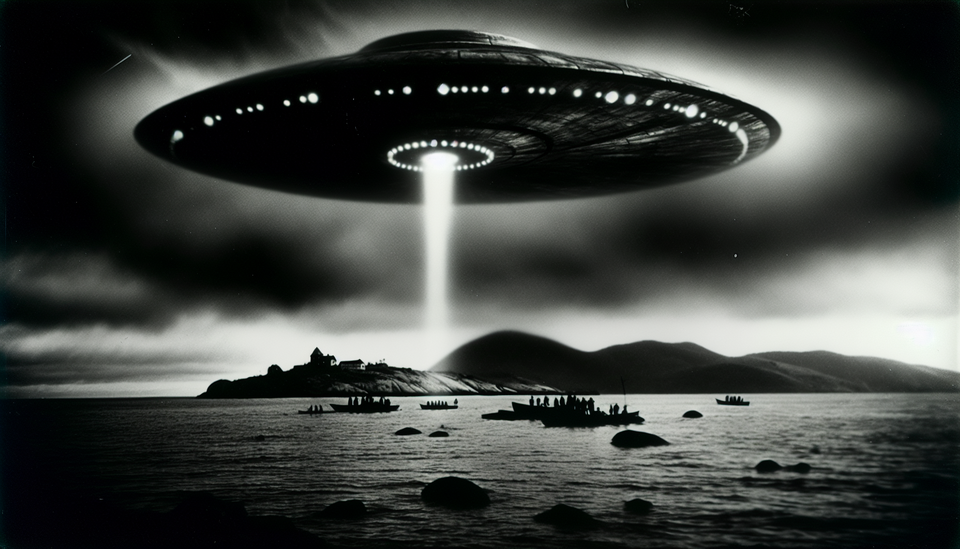
Agobard of Lyon 815 AD Magonia Account
Archbishop Agobard of Lyon, writing as a skeptic, documented folk beliefs about a sky kingdom called "Magonia" and recorded an incident where four people claiming to have fallen from aerial ships were nearly killed by a mob.
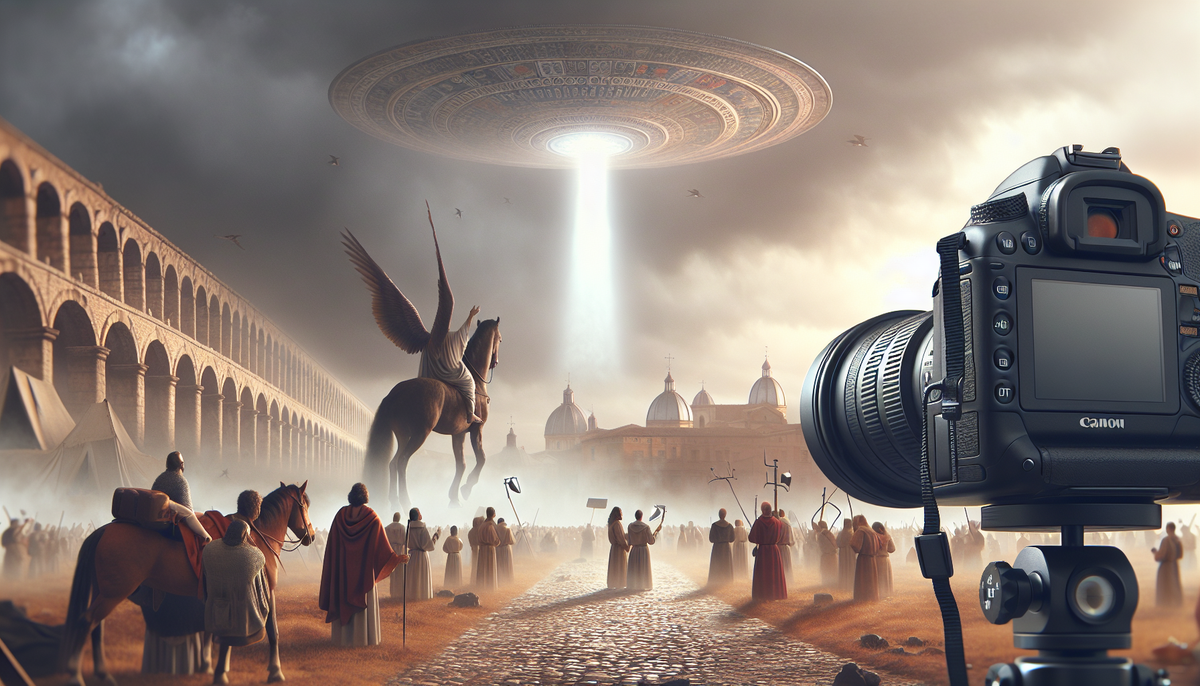
Archbishop Agobard of Lyon (c. 769-840 AD) documented an account in his treatise "De Grandine et Tonitruis" (On Hail and Thunder) that has become one of the most cited medieval aerial anomaly accounts. Writing as a skeptic debunking peasant superstitions, Agobard described widespread folk belief in a region called "Magonia," allegedly a land in the sky from which ships sailed through the clouds.
Agobard recorded a specific incident where he personally intervened: a mob in Lyon had seized four individuals (three men and one woman) who claimed to have fallen from aerial ships. The crowd was preparing to stone them to death as sorcerers when Agobard arrived and secured their release, dismissing their claims and the mob's beliefs as "folly."
The account is significant precisely because Agobard was a skeptic. He wrote the treatise to combat what he considered ignorant superstitions, including beliefs in weather magic and aerial ships. His documentation of these beliefs, written to refute them, preserves a medieval folk tradition that would otherwise be lost. The irony that a debunking text became a primary source for aerial anomaly researchers illustrates the complexity of historical interpretation.
Historical Context
The Carolingian period (8th-9th centuries) saw the Christian Church actively combating pre-Christian folk beliefs and practices throughout Europe. Archbishop Agobard was part of the Carolingian reform movement that sought to standardize religious practice and eliminate what church authorities considered superstition and paganism.
Agobard's treatise addresses multiple folk beliefs he considered erroneous, including beliefs that sorcerers called "tempestarii" could control weather and that aerial beings from Magonia traveled in cloud ships to steal crops. The text provides valuable anthropological insight into early medieval European folk cosmology, regardless of whether any actual aerial phenomena were observed.
Lyon in the 9th century was a major ecclesiastical center. Agobard served as Archbishop from 816 until his death in 840, and was a significant political figure who advised Emperor Louis the Pious. His writings are preserved in multiple medieval manuscripts, establishing clear documentary provenance.
Timeline
Witness Accounts
"We have seen and heard many overcome by such madness, carried away by such folly, that they believe and say that there is a region called Magonia from which ships sail in the clouds."
"[No direct quote preserved; Agobard reports they claimed to have fallen from ships]"
Competing Explanations
Folk belief documented by skeptic without underlying phenomenon [2][4]
Agobard explicitly wrote the treatise to debunk superstitions. He calls the beliefs "folly" and does not suggest any actual aerial ships existed. The four "witnesses" may have been opportunistic frauds or mentally disturbed individuals.
Agobard found it necessary to address these beliefs because they were widespread, suggesting some experiential basis. The specific incident with four people suggests something prompted their claims.
Pre-Christian cosmological beliefs preserved in folk tradition [4]
Many cultures have myths of sky realms and aerial beings. The Magonia belief may represent indigenous European cosmology surviving beneath Christian overlay. Agobard was combating persistent paganism, not documenting anomalies.
The specific claim of people falling from ships suggests more than abstract cosmology. The violent mob reaction indicates the community took the claims seriously as immediate reality, not distant mythology.
Observation of unexplained phenomena interpreted through available cultural framework [4]
If unusual atmospheric phenomena or objects were observed, medieval observers would interpret them through their existing conceptual vocabulary (ships, since Vikings and river commerce were familiar; aerial realms, from religious cosmology).
Agobard, an educated observer, saw nothing worth investigating. He was present at the incident and concluded it was mass delusion. No independent corroboration from other Carolingian sources exists.
Misremembered or embellished account in manuscript transmission [3]
Medieval texts were copied by hand over centuries, introducing potential errors and embellishments. The specific dramatic details may have been enhanced by later copyists.
Multiple manuscript traditions preserve consistent text. Agobard was a historical figure whose other works corroborate his writing style and concerns. The text fits his documented intellectual project.